
It was a hot Texas afternoon when I realized my local business in El Paso was virtually invisible on Google Maps. Despite investing in ads and traditional SEO, customers still struggled to find us. That lightbulb moment hit me hard—optimization of my Google My Business (GMB) listing was the missing link. I remember thinking, “Why isn’t this working better?” and it made me dig deeper into Top GMB Management Strategies specific to El Paso’s unique landscape.
Why Maps Optimization Can Make or Break Your Local Business
In a city like El Paso, where community trust and local visibility are everything, your GMB listing is your digital storefront. I’ve learned firsthand that mastering local SEO tactics isn’t just a technical boost; it’s a necessity for survival in today’s competitive market. Even big players often overlook the nuances that set local businesses apart—things like accurate map pins, consistent NAP information, and engaging photo updates. The good news? When done right, these strategies can dramatically increase your visibility and customer engagement.
Is GMB Optimization Really Worth the Hype?
Initially, I dismissed some advice as just “more busywork,” only to discover the stark reality—neglecting your GMB profile can lead to losing precious local customers. I once made the mistake of ignoring reviews, believing they were just vanity metrics. Today, I know better—reviews impact rankings and influence customer decisions. According to Moz’s Local Search Ranking Factors, proximity, relevance, and prominence—all tied closely to your GMB profile—are crucial for local SEO success. So, if you’re skeptical, consider this: your competitors are constantly refining their GMB presence, and if you don’t, they will outrank you.
Are you facing the challenge of making your business stand out in El Paso’s crowded market? If so, stay tuned. We’re about to get practical with proven strategies that will get your business showing up on that elusive Map pack. For a comprehensive look, check out our ultimate guide to local SEO success in El Paso and discover how to turn your Google Maps listing into a customer magnet.
Get Your Information Accurate and Consistent
The first step I took was auditing my business details. Think of your NAP (Name, Address, Phone number) like the GPS coordinates on a treasure map—if they don’t match everywhere, you’ll never find your audience. I ensured my info was uniform across all platforms, including my website, Facebook, and local directories. This consistency tells Google you’re a trustworthy local gem, helping you climb the rankings. Misaligned info is like navigating with a broken compass—confusing both search engines and customers.
Spruce Up Your Business Profile with Engaging Content
Next, I focused on enhancing my GMB profile. Upload clear, high-resolution photos showing my storefront, interior, and team. Remember, a picture is worth a thousand searches. I also added detailed descriptions rich in keywords relevant to El Paso and my niche—think of it as planting markers on your map that signal relevance to local users. Regularly updating your photos and posts keeps your profile active, which Google favors, similar to a thriving storefront attracting passersby.
Harness the Power of Customer Reviews
Reviews became my secret weapon. I reached out to satisfied customers, politely asking them to share their experience. Each review acts like a beacon, increasing your prominence and credibility. Responding to reviews, both positive and negative, shows engagement and boosts your local SEO signals. I remember one time, a negative review threatened my reputation, but by promptly addressing it with professionalism, I turned it into a trust-building opportunity, ultimately improving my rankings.
Leverage Local Keywords and Posts
Integrating local keywords into my GMB posts and website content was game-changing. I used phrases like “El Paso taco shop” or “best BBQ in El Paso”—words local customers would use. I also published weekly updates—specials, events, or seasonal offers—directly on my GMB profile. It’s akin to placing flags along your map routes to guide more traffic your way. Consistent, geo-specific content helps Google recognize your business as a relevant local contender.
Optimize Your Map Pin and Location
Having the correct map pin is critical. I verified my business location on Google Maps, ensuring it exactly matched my physical storefront. A slightly misplaced pin is like putting a sign on a different street—confusing customers and search engines alike. Use Google’s tools to adjust or move your pin if needed. Precision here signals to Google that your place is where the map says it is, leading to better visibility, as discussed in map optimization in El Paso.
Build Local Links and Citations
Finally, I worked on local citations—mentions on El Paso community sites, local news, and industry directories. Think of these as endorsements from your community, boosting your authority. I submitted my business to reputable directories like Yelp, Bing Places, and local chambers. This increased my visibility not just on Google maps but across the entire local ecosystem. According to El Paso SEO strategies, well-placed citations solidify your presence in local searches.Many local business owners in El Paso believe that simply claiming their Google My Business (GMB) listing and adding some photos is enough to rank higher on maps. However, this misconception overlooks critical nuances that can make or break your visibility. The truth is, aggressive optimization without understanding the underlying algorithms often backfires. For instance, overusing keywords in your profile can trigger spam filters, decreasing your chances of appearing in top spots. Instead, focus on natural, user-friendly content that aligns with Google’s recent updates, like the E-E-A-T principles emphasizing experience, expertise, authority, and trustworthiness. A common myth is that reviews are the sole ranking factor, but studies show that citation consistency, user engagement, and profile completeness carry equal weight. Moreover, many underestimate the importance of local links or citations from reputable El Paso directories, which significantly boost your prominence, as discussed in detail here.
Why Do Many Fail to Rank Well Despite Optimizing?
One overlooked reason is the tactical timing of updates. Fresh content and activity signals, like regularly posting updates and responding to reviews, are crucial for maintaining visibility. Google prioritizes active profiles, especially in competitive markets like El Paso. Ignoring this dynamic can cause your listing to stagnate or lose rankings. Additionally, subtle mistakes such as inconsistent NAP data across platforms or poorly optimized images can hinder your progress. Using irrelevant or low-quality images can reduce your profile’s trust score, as noted in effective maps optimization tips. To truly excel, integrate local keyword strategies thoughtfully and avoid aggressive tactics that may seem manipulative but are flagged by Google’s algorithms. Remember, consistent quality and relevance build long-term authority. For a comprehensive strategy tailored to your El Paso business, consult our ultimate local SEO guide.
What Advanced Mistakes Are Even Experienced Marketers Making?
Seasoned marketers often fall into the trap of neglecting the importance of structured data markup or schema integration on their websites. Proper schema can help Google understand your business context better, leading to improved map rankings. Another advanced mistake is relying solely on automated tools without manual verification. Google’s algorithms are complex and continuously evolving, and small oversights—like incorrect hours or missing service areas—can sink your rankings overnight. Staying updated with the latest Google map ranking signals and adapting your strategies accordingly is essential. According to experts like Moz, even small technical errors can lead to significant visibility drops, especially in localized markets like Texas. Don’t assume your initial setup is enough; continual refinement and staying abreast of algorithm updates are vital. Want to see your El Paso business dominate local search results? Check out our maps optimization strategies and avoid these common pitfalls. Have you ever fallen into this trap? Let me know in the comments.Maintaining strong local SEO, especially for maps optimization in El Paso, requires the right tools paired with disciplined routines. Personally, I rely on Google Search Console and Google My Business insights—these free platforms give me firsthand data on how my listings perform, including impression counts, queries leading to visibility, and customer interactions. Regularly reviewing this data helps identify patterns or issues that might hinder visibility over time. For instance, if I notice a sudden drop in views, I immediately check for NAP consistency or review response times to customer reviews, using these tools as my guiding light.
In addition to Google tools, I also utilize Moz Local and Whitespark for citation tracking. Moz Local, in particular, offers a dashboard that consolidates all your citations and alerts you about inconsistencies or duplicates. This is crucial because, as I’ve learned, citation inconsistencies can silently erode your local rankings, especially in competitive markets like Texas. Whitespark’s citation finder helps me identify new link-building opportunities on local directories or industry-specific sites relevant to El Paso’s business landscape. These platforms collectively keep my local SEO efforts sharp, consistent, and aligned with current best practices.
Looking ahead, I predict that AI-driven analytics and automation tools will become indispensable. As Google continues to refine its local ranking algorithms, leveraging machine learning to monitor and adjust your maps optimization strategies in real-time will be the way forward. Staying adaptable with these technologies ensures long-term success.
How do I maintain maps optimization in the long run?
Regular audits are vital. I schedule quarterly reviews of my Google My Business profile, ensuring all information remains accurate and engaging with neighborhood communities on GMB posts to keep activity signals fresh. Also, I track citation health and consistency across local directories, trusting tools like Moz Local to flag issues before they influence rankings. Remember, continuous engagement and monitoring are what keep your visibility resilient. If you haven’t yet, try optimizing your profile photos with high-quality images using a tool like Canva—visuals significantly impact user engagement and trust. For more detailed tactics, check out our ultimate guide to local SEO success in El Paso. Keeping your maps optimized is an ongoing process, but with the right tools and routine, you can stay ahead of the competition and attract more customers consistently.
Lessons From the Front Lines That Changed My Approach
One of the most valuable lessons I learned about maps optimization in El Paso was the importance of consistent engagement. Initially, I thought optimizing once was enough, but I quickly realized that ongoing activity—such as regularly posting updates and responding to reviews—keeps your profile alive and favored by Google. I also discovered that small technical oversights, like misplaced map pins or inconsistent NAP details, can silently sabotage your efforts, which taught me to double-check and verify every detail meticulously. Lastly, understanding that local citations from reputable El Paso directories serve as community endorsements was a game-changer—it’s not just about rankings but about building trust within your local network.
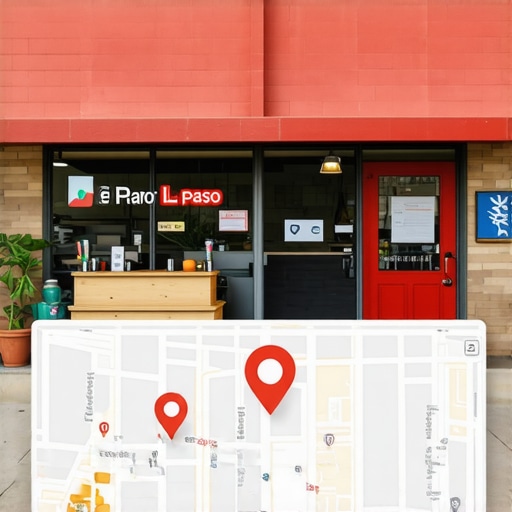


Reading this post really resonated with my own experience running a small store in El Paso. I initially thought that just claiming my GMB profile and uploading a few photos were enough, but seeing the importance of consistent engagement and accurate map pin placement was a real eye-opener. I’ve found that regular updates and responding to reviews not only boost visibility but also foster community trust, which is invaluable in a local market. One challenge I faced was keeping NAP info consistent across multiple directories, which seems small but actually made a big difference in rankings when corrected. I’m curious, how do others automate or streamline their local citation management? I’d love to hear practical tools or routines you’ve found effective to keep this process manageable as your business grows.
This post really highlights the importance of the details that often get overlooked in local SEO. I’ve seen how even small discrepancies in NAP consistency can cause transparency issues with Google, which ultimately affects rankings. Personally, I’ve started using Moz Local to automate citation management and keep everything synchronized across platforms. It saves me a lot of time compared to manual checks. I agree that engaging content and fresh reviews are crucial; they signal activity that Google loves. Has anyone experimented with structured data markup on their website to boost map rankings? I’ve heard schema can help Google better understand your business info, but I’m curious about real-world results from those who’ve implemented it. Also, what’s your go-to routine for keeping reviews and local links active without feeling overwhelmed? I’d love to hear some tactical tips from others managing multiple locations or busy schedules.