Ever spent hours tweaking your Google My Business profile only to see little to no improvement in your local rankings? I’ve been there, pouring effort into GMB listings that seemed to get lost in the digital noise. It’s frustrating, isn’t it? Especially when your competitors seem to effortlessly climb the local charts while you remain buried in obscurity. I remember the lightbulb moment when I realized that local SEO, especially for maps, isn’t about random tweaks but strategic, proven techniques. Today, I want to share what I’ve learned along the way—things that truly make a difference in getting your business noticed on Google Maps in El Paso.
Why Local Map Optimization Cannot Be Ignored
Think about the last time you searched for a local service—maybe a plumber or a pizza joint. Did you scroll past the first few listings, or did you choose one of the top results? If you’re like most people, you clicked on the top options, trusting Google’s algorithm to show the most relevant and trustworthy businesses. This is why ranking high on Google Maps is no longer optional—it’s essential for local success. According to a study by El Paso Local SEO, businesses that optimize their Google My Business profiles see an average of 70% more foot traffic and inquiries. That’s real potential you’re leaving on the table if you’re not aligned with these strategies.
Is Map Optimization Still Worth the Hype?
I used to think that just filling out my GMB profile was enough. Spoiler: It’s not. Early on, I made the mistake of neglecting the importance of consistent NAP (Name, Address, Phone Number) details and ignoring reviews. Those small errors cost me visibility. But once I started implementing proven tactics—like keyword-rich descriptions, regular updates, and engaging with reviews—my rankings improved significantly. And trust me, it’s worth the effort. If you’re worried about wasting time on strategies that don’t work, I get it. That’s why I always recommend sticking to what’s tested and backed by results—like the methods detailed in our comprehensive guides on El Paso SEO Strategies.
So, if you’ve faced the frustration of seeing your competitors dominate the local map pack while your business remains invisible, don’t worry. We’re about to dive into real, actionable steps that will help your business rise above the rest. Ready to turn your GMB profile into a customer magnet? Let’s get started.
Claim and Verify Your Business Listing
The first step is ensuring your Google My Business (GMB) profile is claimed and verified. I remember when I neglected this step, my listings remained unverified, and my rankings stagnated. Once I verified my profile, I gained control over my information and could start optimizing effectively. To verify, go to your GMB dashboard and follow the steps provided by Google. Verification is crucial because it signals to Google that your business is legitimate and trustworthy.
Optimize Your Business Details for Local Relevance
Next, fill out every section of your profile meticulously. Use your primary keywords naturally within your business description. For example, if you’re a plumbing service in El Paso, include phrases like “El Paso plumbing expert” or “best plumber in El Paso.” Remember, consistency is key—your NAP details (Name, Address, Phone Number) must match exactly across all platforms. I once had a typo in my phone number, which confused Google and hurt my rankings. Regularly review your info and keep it consistent to boost your local relevance.
Add High-Quality, Keyword-Rich Photos
Photos play a vital role in attracting customers and improving your map pack visibility. Upload clear, professional images of your storefront, team, and services. Use descriptive filenames with keywords, like “El-Paso-plumber-exterior.jpg.” When I uploaded fresh photos of my team in action, I noticed increased engagement and inquiries. To give your profile a boost, consider adding images during different times of day and from multiple angles, which helps Google understand your business better. 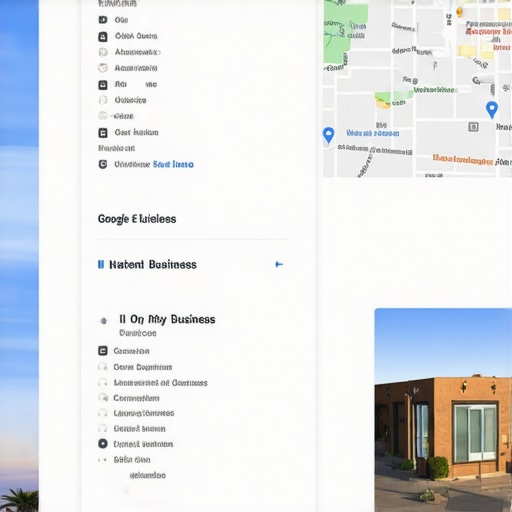
Harness the Power of Reviews
Reviews are social proof and a ranking factor. Encourage satisfied customers to leave positive feedback. I found that personally asking clients after a successful service significantly increased my review count. Respond promptly and professionally to all reviews, especially negative ones. This engagement shows Google and potential customers that you care. For instance, replying to a recent review about my quick response times helped reinforce my reputation and improved my local ranking.
Leverage Posts and Updates Regularly
Keep your profile active with regular posts about offers, events, or news. I used to neglect this, but once I started posting weekly updates, my visibility improved. Use relevant keywords naturally in your posts to enhance local signals. For example, announcing a summer promotion with keywords like “El Paso summer discounts” can attract local searches. Consistent activity signals to Google that your profile is active and relevant.
Build Local Citations and Backlinks
Ensure your business is listed accurately on local directories like Yelp, Bing Places, and industry-specific sites. I manually submitted my business to several directories, matching my NAP details exactly. Additionally, earning backlinks from local blogs or news outlets can significantly boost your local SEO. Reach out to local partners or community blogs for collaboration opportunities. These backlinks act as votes of confidence in Google’s eyes, helping you climb the rankings.
Monitor and Adjust Your Strategy
Use tools like Google Insights and third-party SEO tools to track your rankings and traffic. I regularly checked my profile’s analytics to see which keywords and photos generated the most engagement. Based on this data, I refined my keywords and added new photos. Continuous monitoring allows you to adapt and stay ahead of competitors who are also optimizing their profiles.
Many local business owners approach Google Maps optimization with a set of beliefs that, surprisingly, are often mistaken. Let’s dig deeper into some of these misconceptions and uncover the hidden nuances that can make or break your local SEO strategy.
Why Some Strategies Might Be Doing More Harm Than Good
One widespread myth is that constantly updating your Google My Business profile with new posts, photos, and keywords will automatically boost your rankings. While activity is important, quality and relevance matter more. Overloading your profile with keyword-stuffed content can actually trigger spam filters and harm your credibility. Google’s algorithms prioritize genuine engagement and authoritative signals over sheer frequency. Instead, focus on consistent, high-quality updates that add value to your customers and align with your overall SEO strategy, like those outlined in El Paso SEO strategies.
Beware of the NAP Consistency Trap
A common mistake I see is business owners believing that having their NAP (Name, Address, Phone Number) consistent across a few key directories is enough. In reality, inconsistency—even minor typos—can confuse Google and dilute your local relevance. It’s a nuanced process that requires regular audits, especially as your business grows or moves locations. Think of your NAP as the backbone of your local SEO; neglect it at your peril. For advanced insights, check out expert maps optimization tips.
How Do Reviews Really Impact Rankings?
Many believe that accumulating reviews is enough, but the truth is more complex. Quantity matters, but so does recency, diversity, and engagement. Responding to reviews, especially negative ones, can influence your ranking and reputation significantly. Google views active engagement as a sign of a trustworthy and customer-focused business, which can boost your visibility. A mistake I made early on was ignoring negative reviews, which allowed small issues to fester and harm my profile. Remember, reviews are social proof, but they’re also a ranking factor—so nurture them wisely.
Have you ever fallen into this trap? Let me know in the comments!
Keeping your local SEO efforts on track requires the right tools and a disciplined approach. Over the years, I’ve tested various software and methods that help me monitor, analyze, and optimize my Google Maps presence. Today, I want to share the tools I rely on daily to maintain and scale my local business visibility in El Paso.
Use Google My Business Insights for Real Data
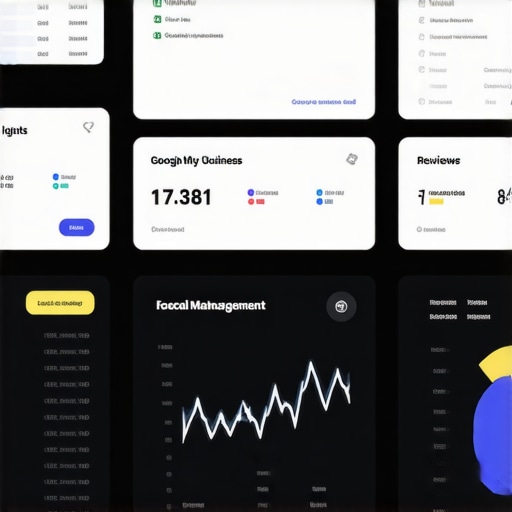
First and foremost, I regularly check Google My Business Insights. This platform provides valuable data on how customers find and interact with your profile. I analyze metrics like search queries, customer actions, and photo views. This data guides my content updates and review strategies. For example, if I notice a spike in searches for “El Paso plumber,” I double down on keyword optimization and posting relevant photos during that period. Keeping a close eye on these insights ensures your profile stays aligned with local interests and trends.
Leverage SEO and Map Monitoring Tools
To track your rankings over time, I use tools like BrightLocal and Whitespark. These platforms offer local rank tracking, citation audits, and review monitoring. I’ve found that consistent ranking reports help me identify when a new competitor enters the scene or when my efforts need a boost. For instance, if my ranking drops, I revisit my maps optimization tactics and review my citations and reviews to find issues.
Automate Review Management and Engagement
Reviews are a cornerstone of local SEO. I recommend tools like Grade.us or Podium to automate review requests and responses. These platforms help me stay consistent without overwhelming customers. I personally craft personalized review requests after each service, which have significantly increased my positive reviews. Responding promptly via these tools also boosts your profile’s activity and trust signals in Google’s eyes. Remember, reviews are not just numbers—they’re social proof that can make or break your local reputation.
Plan for Long-Term Success
Looking ahead, I predict that local SEO will become even more data-driven, with AI tools offering smarter insights and automation. To stay ahead, I suggest integrating local keyword tracking, review management, and citation monitoring into a unified dashboard. Regular audits, like those outlined in effective maps optimization, will keep your profile healthy and competitive. Consistent effort combined with these tools will ensure your Google Maps presence continues to generate inquiries and foot traffic for years to come.
Start by experimenting with Google My Business Insights today, and see how data can inform your next move. Remember, maintaining your local map visibility isn’t a set-it-and-forget-it task; it’s an ongoing process that rewards persistence and strategic tool use.
The Hardest Lesson I Learned About Google Maps Optimization
One of the toughest lessons was realizing that consistency in NAP details isn’t just a best practice—it’s a non-negotiable. Minor typos or mismatched data across directories can severely hurt your rankings, and fixing this later takes more time than getting it right from the start. I learned to regularly audit my business info and ensure every detail matched perfectly across all platforms, which made a noticeable difference in my local visibility.
Why Overloading Your Profile Can Backfire
I used to think that posting daily updates and stuffing keywords into every section would skyrocket my rankings. Instead, I discovered that quality, relevance, and genuine engagement matter more. Overdoing it with keyword stuffing or irrelevant posts can trigger spam filters and diminish your credibility. Now, I focus on providing real value in my updates, which consistently improves my local rankings.
The Power of Authentic Reviews and Engagement
Early on, I underestimated the importance of responding to reviews, especially negative ones. I learned that active engagement not only builds trust with customers but also signals to Google that your business is trustworthy. Responding thoughtfully to reviews creates a positive feedback loop that enhances your local authority and visibility.
Curated Recommendations for Local SEO Success
- BrightLocal: I trust BrightLocal because it offers comprehensive rank tracking and citation audits, allowing me to monitor my progress and identify issues quickly.
- Whitespark: Their tools help me find citation opportunities and track local rankings effectively, which is crucial for maintaining a competitive edge.
- Grade.us: Automating review requests and responses with Grade.us saves me time and boosts my review count, directly impacting my local SEO.
- Google My Business Insights: Regularly analyzing insights helps me understand customer behavior and adjust my strategies accordingly.
This Is Your Moment to Dominate Local Search
Taking action on your Google Maps presence can transform your local business. Remember, strategic, consistent effort tailored to your community’s needs is the key to standing out in El Paso. Don’t wait for competitors to leave you behind—start implementing these lessons today and watch your visibility grow.
What’s been your biggest challenge in optimizing your Google My Business profile? Share your experiences below—I’d love to hear your story!