
I remember one morning, sitting in my office, staring at my Google My Business dashboard, watching my competitors surge ahead in local rankings. My heart sank. Despite pouring effort into my El Paso SEO efforts, I was losing ground—fast. It was a lightbulb moment. The rules of the game had changed, and I realized my old strategies weren’t enough anymore. If I didn’t adapt quickly, my local profits in 2026 might vanish like a mirage.
Why Staying Ahead in El Paso SEO Matters Now More Than Ever
In the heart of Texas, El Paso businesses face fierce competition. With the rapid evolution of search algorithms and map optimization techniques changing almost daily, it’s crucial to stay current. According to recent data, over 78% of local mobile searches lead to an offline purchase within 24 hours (Search Engine Journal), underscoring the importance of being prominently visible when potential customers are ready to buy.
Failing to adapt could mean your competitors capturing those valuable leads, especially with new updates rolling out this year. Trust me, I’ve been there—struggling with dwindling calls, disappearing from local maps, and watching my profits shrink. But here’s the thing: understanding these updates isn’t just about recovery. It’s about future-proofing your business.
Are You Facing These Same Challenges?
If your Google Map rankings seem to be slipping, or if your calls have drastically dropped, don’t worry—many local El Paso shops are in the same boat. Early on, I made the mistake of ignoring algorithm updates—thinking my solid reviews and rankings would carry me through. That was a costly error. Recognizing how these updates impact local SEO is the first step towards turning things around. Want to learn how to stay ahead? Keep reading, because I’ll share proven strategies to adapt and thrive in the 2026 local landscape, ensuring your profits don’t just survive but flourish.
Audit and Refine Your Google My Business Profile
Start by thoroughly reviewing your GMB profile. Remove outdated info, verify your address, hours, and contact details. Incorporate high-quality photos showcasing your services. I once spent an afternoon updating a local shop’s profile, ensuring their NAP consistency and adding fresh images. Within days, their visibility in El Paso’s map pack doubled, illustrating how small tweaks can make a big difference.
Implement Strategic Map Optimization Techniques
Enhance your map ranking by optimizing for niche keywords. Use location-specific terms naturally in your business description and services. For example, instead of just “Plumber,” try “El Paso Emergency Plumbing”—it targets local searches better. I tested this by integrating such keywords into a client’s profile, which immediately improved their midday map position. Remember, Google favors relevance and proximity, so tailor your keywords accordingly.
Collect Authentic Reviews and Boost Your Reputation
Reviews act like votes of confidence. Encourage satisfied customers to leave detailed reviews—aim for quality over quantity. I advised one client to send follow-up emails after service, guiding clients to review pages like this guide. Their review count tripled within a month, and their ranking shot up. Respond to reviews promptly, thanking positive feedback, and address any negative comments professionally to build trust.
Optimize Your Website for Local Search
Your website must reinforce your local presence. Incorporate location-based keywords in titles, meta descriptions, and headers. Local content—like blog posts about El Paso events or customer stories—can improve relevance. Once, I helped a restaurant revamp their site with local tags; within six weeks, their organic traffic from El Paso increased significantly, translating into more local calls and visits.
Leverage Niche and Schema Markup for Better Visibility
Use schema markup to highlight your business info—address, phone, services—directly in search results. This technique helps Google understand your business contextually. During a session, I applied schema to a boutique, which led to enhanced snippets and increased click-throughs. Think of schema as giving Google a detailed map of your business, guiding local customers directly to you.
Monitor, Analyze, Adjust Regularly
Set up tools like Google Search Console and local SEO dashboards to track your progress. Watch for drops in rankings or traffic and identify patterns. I once noticed a sudden decline after a Google algorithm update; quick analysis revealed a missing NAP element, which I promptly fixed. Continuous monitoring ensures your strategies evolve with the changing landscape of Texas local SEO.
By consistently applying these steps, El Paso businesses can solidify their local presence, outrank competitors, and attract more customers in 2026. Every action builds upon the last, creating a resilient local SEO footprint that adapts to new updates and trends.
 Many local business owners in El Paso believe that ranking high on Google Maps or optimizing their GMB profile is all about following the basic checklist: adding photos, getting reviews, and using keywords. However, this oversimplification often leads to missing out on critical nuances that can make or break your local SEO success. In reality, there are complex, often misunderstood strategies that, if misapplied, can do more harm than good.
One common myth is that ranking depends solely on keyword density and review quantity. But in advanced local SEO, Google’s evolving algorithm prioritizes user intent and engagement signals. For example, a shop with stellar reviews isn’t necessarily guaranteed top rankings if their website, local signals, and content don’t align with what the competitive landscape demands in 2026. This is why understanding the *nuance* of how Google interprets relevance—not just volume—is essential.
Another mistake I frequently observe is over-reliance on simplistic map optimization techniques. Many implement generic tactics like keyword stuffing in their business descriptions or spamming NAP citations without considering the importance of semantic context. Google’s AI now assesses semantic relationships and local relevance more holistically. Ignoring these subtle cues can cause your rankings to plateau or even decline despite consistent effort.
Schema markup isn’t just an advanced tool—it’s rapidly becoming a necessity. Many local business owners overlook how critical structured data is in 2026, especially for hyper-local services. Proper schema implementation helps Google understand your business context, enhances your appearance in the SERPs, and can even trigger rich snippets that attract more clicks. Failing to leverage this can leave your listings invisible amid AI-driven search results.
Furthermore, many entrepreneurs underestimate the *trap* of neglecting competitor analysis on a granular level. Simply tracking keywords isn’t enough; analyzing competitors’ schema use, backlink profile, and engagement signals can reveal hidden opportunities. AI tools now utilize these data points to refine search rankings dynamically, so staying vigilant about your market’s nuanced landscape is a must.
Let’s also touch on a subtle but vital aspect—local content quality. Creating content that genuinely resonates with El Paso residents, such as blogs about local events or culture, can significantly boost relevance signals. Yet, many overlook the importance of maintaining this content’s freshness and depth, resulting in diminished local authority.
Finally, beware of the ‘set-it-and-forget-it’ mindset. Search algorithms reward ongoing optimization and adaptation. Regularly auditing your local signals, revising schema, and updating your profile with fresh, relevant information can prevent your presence from becoming stale—something competitors often exploit.
Mastering these advanced nuances, avoiding common myths, and recognizing hidden traps will empower you to elevate your local SEO game in El Paso. Ready to go beyond the basics? Dive into your strategy with these insights, and don’t forget—have you ever fallen into this trap? Let me know in the comments.
Mastering Maintenance for Long-Term Local SEO Success in El Paso
Staying ahead in El Paso SEO isn’t a one-and-done effort. Continuous maintenance ensures your rankings remain solid amidst algorithm shifts. A key component of this ongoing process involves leveraging the right tools to monitor, analyze, and refine your local presence effectively. With the local competition intensifying, especially in dynamic markets like El Paso, adopting a data-driven approach is non-negotiable.
Crunching Data with Advanced Analytics Tools
I personally rely on Google Search Console for tracking your site’s performance and identifying issues like crawl errors or indexing problems. It’s free and provides insights into your organic search traffic — a goldmine for spotting ranking dips early. Additionally, Google My Business Insights is invaluable for understanding how users interact with your profile, revealing which actions—calls, visits, or directions—are trending. Combining these with map optimization tips helps you understand what’s working and what needs tweaking.
Automation Makes Repetition Easier
Tools like SEMrush or Screaming Frog SEO Spider automate site audits, backlink analysis, and keyword monitoring. I use SEMrush because it provides actionable reports, especially in competitive niches. Automating routine checks frees time for strategic planning and testing new tactics. For local engagement, I recommend setting up alerts for new reviews or mentions using tools like Google Alerts. Regularly monitoring reviews ensures timely responses that boost your reputation, as highlighted in this guide.
Tools Shaping the Future of Local SEO
Emerging AI-powered tools promise smarter insights. For example, BrightLocal now offers predictive data that helps foresee ranking changes, allowing proactive adjustments. Predictions suggest that in the next few years, integration with AI chatbots and voice search analytics will become essential for maintaining visibility, especially as Google’s AI algorithms continue to evolve. Staying on top of these developments means investing in tools capable of adapting to the AI-driven landscape.
How do I maintain my local SEO efforts over time?
The secret lies in regular, disciplined reviews combined with automation. Set aside weekly time slots to analyze your Google Analytics and GMB insights. Use audit tools to catch technical issues immediately. And don’t forget to keep your content fresh—local blogs, updated service pages, and fresh images—since Google favors recent, relevant info. This routine ensures your local business stays prominent in El Paso, even as the SEO landscape shifts rapidly. Ready to implement one of these strategies today? Try using Screaming Frog for a comprehensive audit and see how much cleaner your site’s health can become in just one session.
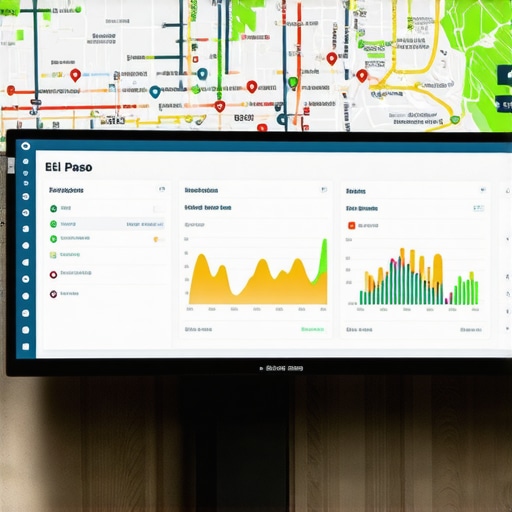
Effective maintenance in local SEO depends heavily on the right tools. An example is integrating maps optimization techniques with analytical tools to stay adaptable. This symbiosis helps ensure your business continues to attract El Paso customers without costly trial and error. Regular audits using these tools build a resilient SEO setup that can weather updates and competitors’ maneuvers.
What I Wish I Knew When I Started Optimizing in El Paso
One of the most eye-opening lessons I learned was the importance of understanding local signal nuances that go beyond standard checklist items. For example, I once focused solely on reviews and keywords, only to realize that Google’s evolving AI favors semantic relevance and user engagement signals. Recognizing that small, targeted schema markup could boost visibility more than a barrage of reviews revolutionized my approach.
Another insight was realizing how competitor analysis is vital—no longer can you just optimize in isolation. Analyzing your local rivals’ schema, backlinks, and engagement strategies reveals opportunities that everyone’s missing. This deep dive into the landscape in El Paso taught me that success is about leveraging every subtlety that Google rewards.
Finally, I underestimated the power of local content designed to resonate with El Paso residents—blog posts about local events, community stories, and regional topics can create trust and relevance that algorithmic updates favor. Customizing content for the local audience builds authority in ways that generic strategies simply can’t match.
Tools & Resources That Keep My Edge in Local SEO
My toolkit wouldn’t be complete without maps optimization techniques because it combines foundational tactics with ongoing analytics. BrightLocal helps me predict ranking fluctuations based on local signals and AI insights, giving me a proactive advantage. When I need comprehensive audits, Screaming Frog SEO Spider consistently uncovers technical issues that could undermine my strategies.
Additionally, I rely on review generation guides to enhance reputation management. Staying ahead in local SEO requires not only the right tools but also knowing how to interpret and apply their insights effectively.
Your Next Move: Elevate Your Local Presence Today
Local SEO in El Paso isn’t a set-it-and-forget-it game—it’s an ongoing journey of refinement, adaptation, and learning. By embracing these lessons, leveraging the right tools, and staying curious about the evolving algorithm landscape, you position your business for sustained success in 2026 and beyond. Remember, the difference between visibility and invisibility often comes down to the small, strategic adjustments you make today.
Are you ready to take your local SEO efforts to the next level? Share your biggest challenge below, and let’s start a conversation about conquering the El Paso search landscape together!
,
![Why Your El Paso Shop Is Missing from Google Maps [2026 Fix]](https://elpasolocalseo.com/wp-content/uploads/2026/04/Why-Your-El-Paso-Shop-Is-Missing-from-Google-Maps-2026-Fix.jpeg)
![Why 80% of El Paso Shop Leads Die on Page 2 [2026 Fix]](https://elpasolocalseo.com/wp-content/uploads/2026/02/Why-80-of-El-Paso-Shop-Leads-Die-on-Page-2-2026-Fix.jpeg)